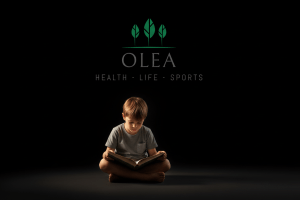
As academic and social pressures have increased while skills needed for the future have shifted — making personalised coaching more important to help children learn effectively, stay resilient, and develop broader skills. In Singapore this is amplified by systemic and cultural factors.
Here are some key reasons :
- High-stakes exams and streaming: PSLE, O‑levels/A‑levels, and streaming decisions make outcomes consequential; targeted coaching helps close gaps and prepare for exam formats.
- Intense competition and tuition culture: widespread tuition raises expectations for extra support to keep up or excel.
- Large class sizes and curriculum pace: classroom time can’t always provide one-on-one follow-up; coaching fills that individualized learning need.
- Emphasis on grades + holistic expectations: schools expect academic results plus co‑curricular achievements and character traits — coaching can address both academics and soft skills.
- Future skills mismatch: critical thinking, creativity, communication and digital literacy are increasingly valued; coaching can teach these in ways exam-focused classrooms may not.
- Mental health and resilience: pressure, anxiety and burnout are rising; coaches can teach study strategies, time management, and coping skills.
- COVID‑era learning gaps and hybrid learning: disruptions widened disparities; targeted remediation and personal attention remain necessary.
- Parental expectations and investment: parents often want bespoke support that matches their child’s pace, learning style, and aspirations.
- Inequality and access: coaching can both alleviate and exacerbate gaps — but when offered affordably or in schools/community programs, it helps under-served students catch up.
At OLEA, our mission is to build resilient, growth-mindset learners who thrive academically and emotionally.
Through the Way of The Warrior Kid workshop, here is what kids will work on:
- Purpose & Values — Clarify personal values (honor, respect, courage) and set a short-term workshop mission.
- Discipline & Routine — Teach simple daily habits: wake-up, exercise, focused study, and bedtime routines.
- Respect & Empathy — Practice respectful communication, active listening, and kindness toward peers and adults.
- Courage & Confidence — Use graded challenges and role-play to build bravery in small, repeatable steps.
- Self-Control & Emotional Regulation — Teach breathing, grounding techniques, and pause-and-plan strategies.
- Goal-Setting & Accountability — Set SMART micro-goals, track progress, and use peer/coach check-ins.
- Focus & Concentration Skills — Short attention-training exercises (timed focus sprints) and distraction management.
- Problem-Solving & Resilience — Teach stepwise problem-solving, learning from mistakes, and bounce-back routines.
- Teamwork & Leadership — Cooperative tasks, rotating leadership roles, and debriefs on group dynamics.
- Reflection & Habit Reinforcement — Daily reflection, “victory” logs, parent debriefs, and simple home practice plans.